
The energy storage sector is experiencing a supply-constrained boom in 2025. Despite a widespread “cell shortage” where major battery manufacturers are operating at full capacity and orders are backlogged into 2026, system prices have remained stable or even hit new lows. This paradox defines the current heated market. Data confirms the high growth: global energy storage cell shipments reached 240.2 GWh in the first half of 2025, a year-on-year increase of 106.1%. In China, new operational energy storage capacity for the same period reached 23.03GW/56.12GWh, with both power and energy metrics growing over 68% year-on-year.
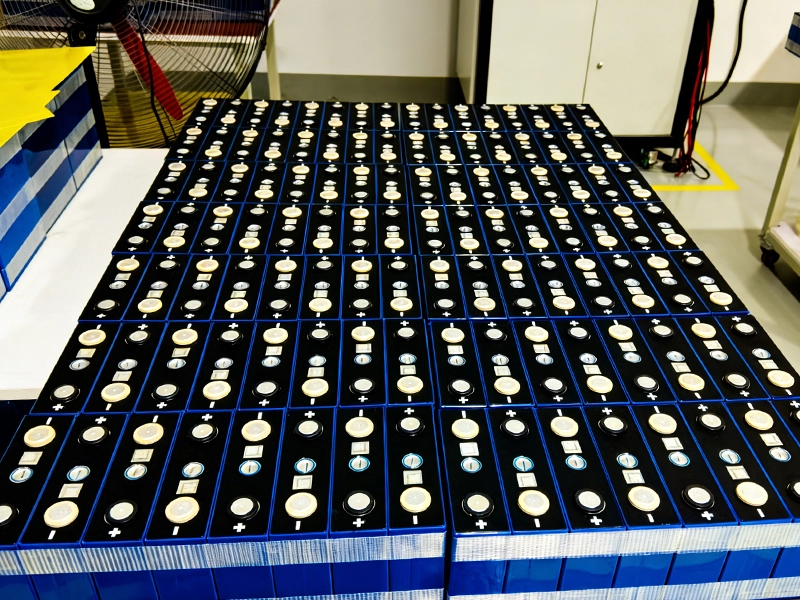
The growth is driven by a confluence of policy and market factors. The cancellation of mandatory storage allocation for new energy projects in China at the start of the year initially caused caution but ultimately led to a “rush-to-install” wave before the policy transition deadline, creating a significant spike in demand. Overseas, emerging markets like the Middle East and Australia have become core growth engines, with Chinese companies securing massive new orders. Major policy support in the US (Investment Tax Credit extension) and Europe (capacity mechanisms) also underpins long-term demand.
Analysts point to three reasons for the price stability despite shortages: 1) technology iteration (larger cells lowering overall system costs), 2) strong bargaining power of large utility clients, and 3) an overall battery market that remains oversupplied for smaller cells. Looking ahead, the industry is transitioning from policy-driven to market-driven growth, with mechanisms like capacity markets beginning to monetize the value of storage’s reliability.
Add comment